
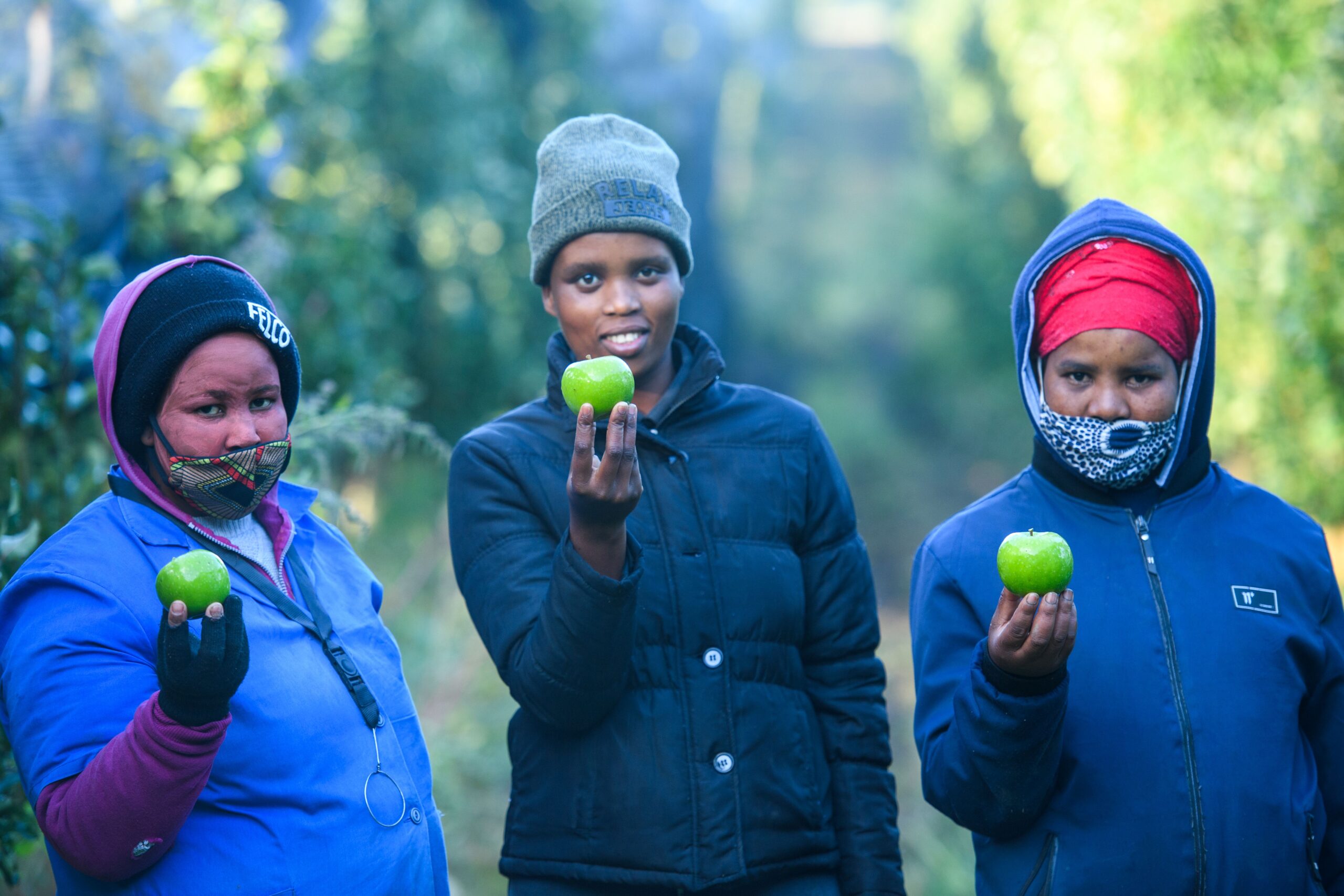
From waste to opportunity and feeding the hungry
Every season, tonnes of food end up as waste. What if it can help curb hunger instead? By Gerrit Rautenbach
Under normal circumstances, feeling hungry can be quite a positive thing. It generates anticipation, making one wonder what’s for dinner or breakfast. Three regular meals whenever the hunger pangs hit. Now imagine being hungry, but there’s no dinner. Going to sleep on an empty stomach. Waking up on an empty stomach. No breakfast. Scavenging your next meal from a rubbish bin. Begging for a morsel. Stealing money for a meal. Hunger can drive people to crime. It can tear families apart and threaten communities, infrastructure, and ultimately the economy.
Physical symptoms of hunger include headaches, dizziness, fatigue, and weakness. There are also mental, cognitive, and emotional signs, such as difficulty concentrating, irritability, anxiety, confusion, brain fog, and poor short-term memory. People who cannot afford to consume enough nutrients daily may develop chronic versions of these symptoms.
Without food, the body begins to use glucose stored in the liver for energy. When the glucose reserves are depleted after 12 to 16 hours without food, the body switches to burning fat for fuel. This can aid weight loss for some, but once the body’s fat stores are exhausted, it starts to break down muscle for energy. Ultimately, only vital organs remain. At this stage, the immune system becomes so weakened that it can no longer fight off illnesses or heal wounds. It is this increased vulnerability to infections that often causes a starving person’s death, more so than the actual lack of food itself. Hunger is a horror, and it is not a Stephen King story. It is real.
“Your problems pale in comparison with those millions of people in the world who do not have enough to eat.” Famous words from famous athlete Michael Johnson. Can we stop this rot?
Yes, OneFarm Impact NPC is reaching out. The good news is that hunger is preventable. We are producing more than enough food to support our people. The issue lies in food access.
OneFarm Impact’s OneFarm Share programme, powered by Standard Bank and in partnership with the agri-fintech HelloChoice, has created an inclusive and efficient agri-food value chain.
This chain connects commercial growers, small-scale farmers, packers, market agents, and transporters in a collaborative food redistribution system that redirects perfectly nutritious produce to food-insecure communities. This approach tackles food and nutrition shortages, reduces landfill waste, lowers the industry’s environmental impact, and opens pathways for smallholder farmers to access formal markets.
Since its inception, the programme has distributed more than 30,000 tonnes of fresh produce, providing over 120 million nutritious meals to 1.2 million people regularly. With a blended cost of just R1.30 per meal across the programme’s lifetime, OneFarm Share demonstrates that collaboration across the value chain creates multiplied impact, and the deciduous fruit industry continues to play a leading role in building a more food-secure South Africa. OneFarm Impact is eager to end hunger.
In short, the objectives are:
- To address food waste, smallholder development, and food insecurity.
- Facilitate farm-to-fork impact through funding, logistics, and distribution.
- Connect farmers to markets via demand information, packaging, storage, and payment support.
- Aim to create reliable market access, increase farmers’ income, and promote economic scaling.
- Support commercial farmers and smallholder farmers with cost recovery, transaction history, and mentorship.
- Enhance food sourcing, feeding more people, and reducing waste.
Food insecurity, hand in hand with unemployment, is a real crisis in South Africa. The challenges are vast. However, come rain or shine, the agricultural community of this land is resilient. They can work their way around droughts, hail, bugs, and pests. Where there is a will, there’s a way. A way that means less waste. The industry and OneFarm Impact are working together to turn waste into opportunity and help small-scale farmers grow. There is a saying, “feed the need”, but OneFarm Impact goes one step further: “Feed the needy.”
It is estimated that, since the turn of the millennium, the number of hungry people worldwide has decreased by 216 million. With sufficient public determination, this figure will continue to decline until no one in the world goes to bed hungry. OneFarm Impact is part of this effort.OneFarm Impact promotes partnerships to strengthen food systems and support farmers.
- If you want to learn more, get involved, or donate to this worthwhile cause, contact the custodian of the initiative, Dr Thembi Xaba: thembi@onefarmimpact.co.za
- Visit https://www.onefarm.africa/onefarm-impact
Related Posts
Jaco Wolmarans wins Hortgro Photo Competition 2026
Somerset West – Hortgro is proud to announce Jaco Wolmarans as the winner of the…
The 2026 Hortgro Awards Celebrate Excellence in the South African Deciduous Fruit Industry
Somerset West — The annual Hortgro Awards brought together leading figures from the pome and…
Hortgro Izithelo Media Award 2026 | Lucentlands Media
Hortgro awards the Izithelo Media Award annually for outstanding journalism in and about the deciduous…

Daan Strydom Science and Technology Award 2026 | Dr Elke Crouch
The Daan Strydom Science and Technology Award is an award that recognises excellence in any…