

ESG in Action: How South African Deciduous Fruit Growers Lead the Way in Sustainable Farming
Text Nitasha Baijnath-Pillay
Consumer demand for sustainably produced fruit and investor preferences for ESG-compliant businesses are reshaping farming practices worldwide. In South Africa, fruit growers have consistently been at the forefront. As early as 2008, the fruit and wine industries launched the Confronting Climate Change (CCC) Initiative, enabling farmers to measure their carbon footprint, identify “carbon hotspots,” and implement solutions—from precision irrigation and renewable energy adoption to enhancing soil health. (ESG stands for environmental, social and governance and refers to a set of standards used to measure an organisation’s environmental and social impact.)
Benchmark reports, published since 2011, have guided the industry in reducing CO₂ emissions and meeting retailer sustainability requirements. Although fruit production has a smaller environmental footprint compared to many other agricultural products, addressing greenhouse gas emissions remains crucial to maintaining market share in environmentally conscious markets.
Deciduous fruit producers contribute significantly to community development, particularly in seasonal labour-reliant regions. Many have implemented early childhood development programmes, youth foundations, upskilling academies, and employee support initiatives. Some even operate on-site clinics and aftercare facilities.
The deciduous fruit industry body, Hortgro, plays a vital role through its two trusts: the Fruit Workers Development Trust, which improves the lives of fruit workers through targeted investment. Deciduous Fruit Industry Development Trust – supports developing farmers with business training.
Through bursaries, mentorship, and leadership development, Hortgro’s Learning and Development Department ensures the transfer of skills across generations. Sound governance is essential for long-term sustainability. Transparent financial reporting, honest stakeholder communication, and compliance with international regulations—such as the EU’s Corporate Sustainability Reporting Directive (CSRD)—are critical to maintaining export market access.
Fruit farmers face a complex regulatory landscape, from water and soil conservation laws to waste management and biodiversity protection. Many have implemented Environmental Management Plans and participate in the Sustainability Initiative of South Africa (SIZA), which certifies compliance with environmental and social standards, connecting local producers to global markets.
ESG provides fruit growers with a competitive advantage, and although it is not new to fruit growers, many have been practising its principles for decades. Hortgro continues to lead research on integrated pest management, regenerative farming, and innovative irrigation strategies. With some of the most efficient water use practices globally, South African producers are well-positioned to adapt to new requirements such as carbon credits and cross-border taxes.
The message is clear: sustainability is not an add-on; it’s the foundation of a resilient, profitable, and competitive deciduous fruit industry.
Caption: Farm workers from Northridge Farm took part in an industry training initiative sponsored by the Fruit Workers Development Trust, recently.
Related Posts
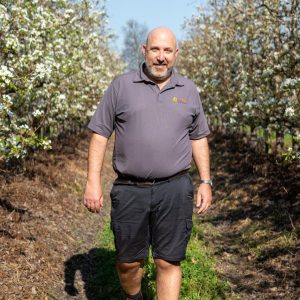
Dennegeur’s Stephan Beukes | Western Cape Farmer of the Year
WESTERN CAPE — Stephan Beukes of Dennegeur Farms in Grabouw has been named the 2026…
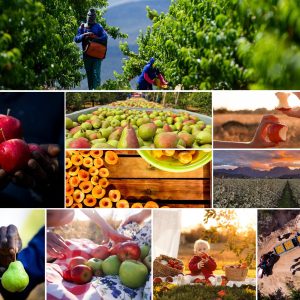
Jaco Wolmarans wins Hortgro Photo Competition 2026
Somerset West – Hortgro is proud to announce Jaco Wolmarans as the winner of the…
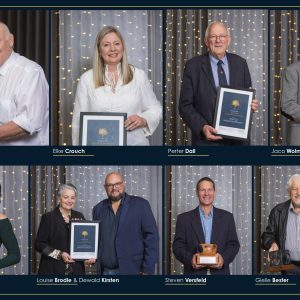
The 2026 Hortgro Awards Celebrate Excellence in the South African Deciduous Fruit Industry
Somerset West — The annual Hortgro Awards brought together leading figures from the pome and…
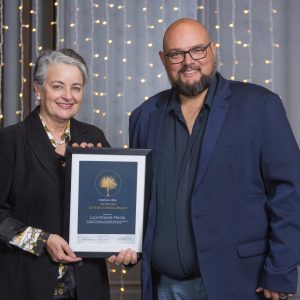
Hortgro Izithelo Media Award 2026 | Lucentlands Media
Hortgro awards the Izithelo Media Award annually for outstanding journalism in and about the deciduous…