
Lost in transformation
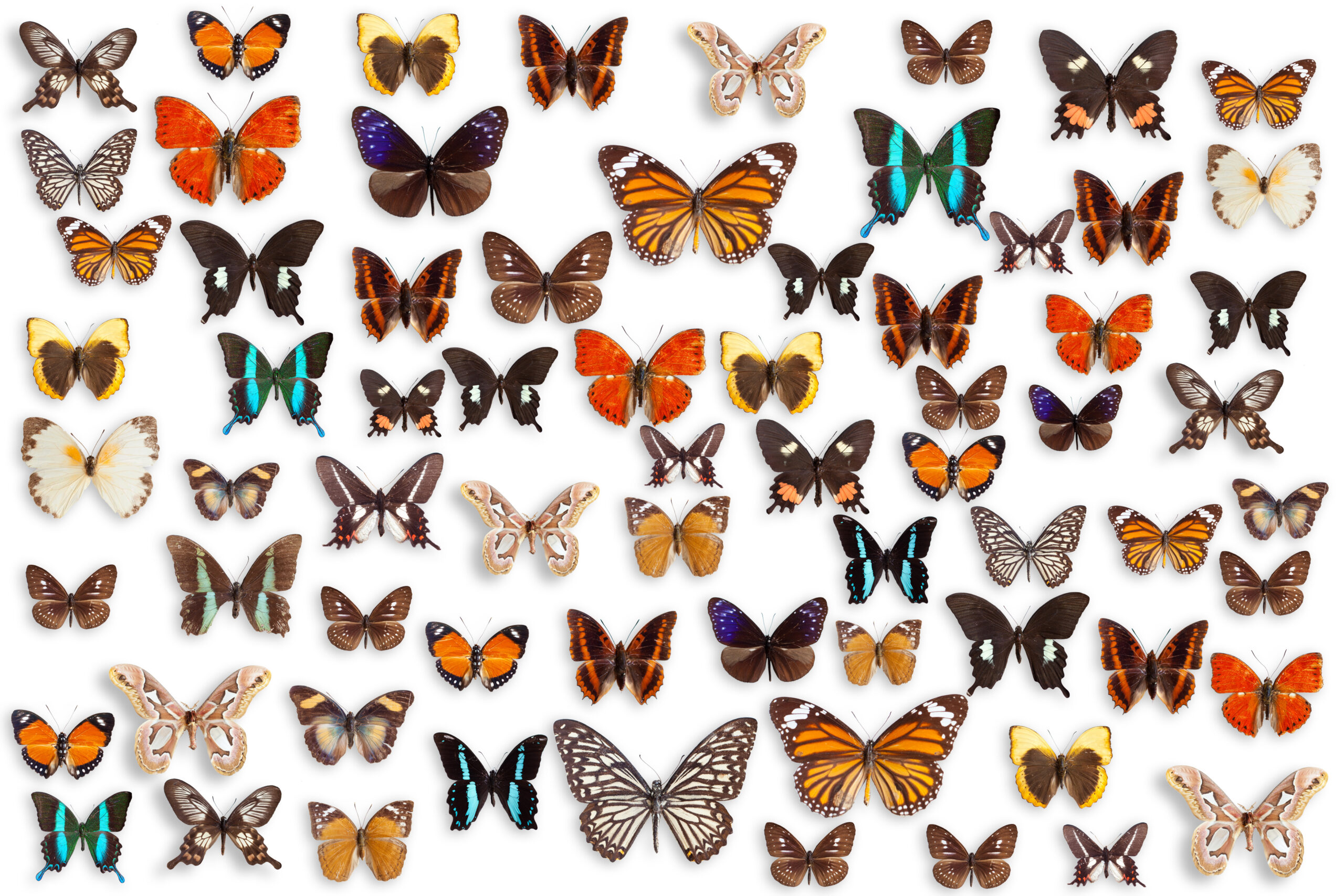
To begin with, let’s look at the term “transformation”. In the (not so) new South Africa, the word “transformation” has become a buzzword, a politically correct term, and one often misused. The Oxford Dictionary defines transformation as “a marked change in form, nature, or appearance.” The most common example of transformation is a caterpillar turning into a butterfly, in other words, a metamorphosis. At its core, transformation is about creating a life that’s authentically yours, one that’s meaningful and fulfilling.
Therefore, when used correctly in context, transformation is relevant. However, when it comes to describing farmers who have become, are becoming, or will, in due time, be successful agricultural producers, in other words, those who have been or are being transformed, what is the right term to describe them?
Let’s return to the caterpillar and butterfly metaphor. There are thick and thin caterpillars, green ones, yellow ones, some with brown dots on the side, long ones, short ones, and more. And the thing is, they all metamorphose into butterflies. Big ones, small ones, different shapes and colours, but all butterflies, part of Lepidoptera.
Comparing the abovementioned metamorphoses with those of previously disadvantaged people who dream of becoming farmers and, through resilience, grit, fortunate opportunities and the right attitude and will, become successful commercial farmers, you will see there are just as many variants as in Lepidoptera.
Black farmers, brown farmers, Indian farmers. Emerging farmers, but another farmer will tell you they have been at it for 30 years, making them an established farmer. Some are new-generation or new-era farmers, where the first refers to an age group and the latter to a period in history. From a policy perspective, Hortgro Economic Development uses the terms “previously disadvantaged” or “black,” as defined in the BBBEE Act. But does that not make it too political? And referring to the BBBEE Act every time you write about these farmers is cumbersome. We need a single, descriptive, non-political, creative buzzword. A name that sticks. In classical advertising terms, it’s known as a love-mark.
Moving forward from this point of view, if we accept the thinking and meaning behind the term transformation as what we want it to be, then a useful way to define the diverse group of farmers in the Hortgro Economic Development category is to talk about “transforming farmers”.
Yet, going back to the core meaning of transformation, there might be a problem. Maybe the ref is now asking the TMO to adjudicate here. It’s the concept of metamorphosis, meaning a change from one object (phase) into another. A caterpillar is not the same as a butterfly. Yet, from a previously disadvantaged farmer to a commercially producing farmer, the farmer remains a farmer. That has undergone a process called evolution.
“Evolution” is defined as “the gradual development of something over time, adapting to changes in its environment to improve”. If we accept this definition, we can describe Hortgro Economic Development’s reason to be as the evolution of previously disadvantaged farmers in South Africa.
Then all these farmers, be it established, emerging, black, brown, new-era or generation, whatever, you name it, can all be grouped under one umbrella: Evolving farmers. Not evolved, because even if you are an established farmer with decades of experience, evolution is never-ending.
What do you think of it? Would you be interested in becoming an evolving farmer? We would love your comments. Please email cynthia@hortgro.co.za. After all, this is an evolving story.
To be continued …
Related Posts

Patensie does it again!
Honey Katoo takes top honours at Agri’s Got Talent 2026 For immediate release: 17 October…
Dennegeur’s Stephan Beukes | Western Cape Farmer of the Year
WESTERN CAPE — Stephan Beukes of Dennegeur Farms in Grabouw has been named the 2026…
Ek was daar | The roadmap of Anton Rabe
For more than three decades, Anton Rabe has been part of the story of South…
Jaco Wolmarans wins Hortgro Photo Competition 2026
Somerset West – Hortgro is proud to announce Jaco Wolmarans as the winner of the…