
I Had an Apple Farm in Africa… And a Plan
Text and Pictures: Elise-Marie Steenkamp
Standing on a hill in Mpumalanga, overlooking the rolling green valleys of Zwelihle near Amersfoort, it’s hard not to think of Karen Blixen’s famous line: “I had a farm in Africa.”
But for businessman and entrepreneur Vusi Khanyile, founder of Afrikan Farms, apple farming in Zwelihle, in the Daggakraal hills, is not a romantic notion or a leap of faith. It is a carefully researched, long-term business decision — and one that offers valuable lessons for new entrants to South Africa’s deciduous fruit industry.
Khanyile’s journey into agriculture began in the late 1990s, a period of profound change in South Africa. “The country had just entered democracy, the economy was opening up, and people were thinking bigger,” he recalls. Alongside other investors, he began exploring agricultural opportunities that could deliver strong returns and meaningful social impact.
At the time, concerns were growing that traditional farming systems in parts of Mpumalanga—largely focused on cattle and maize— were limiting both economic potential and job creation. The group investigated alternative, higher-value crops and consulted widely, including with agricultural economists and academics. “Apples” emerged as a serious contender.
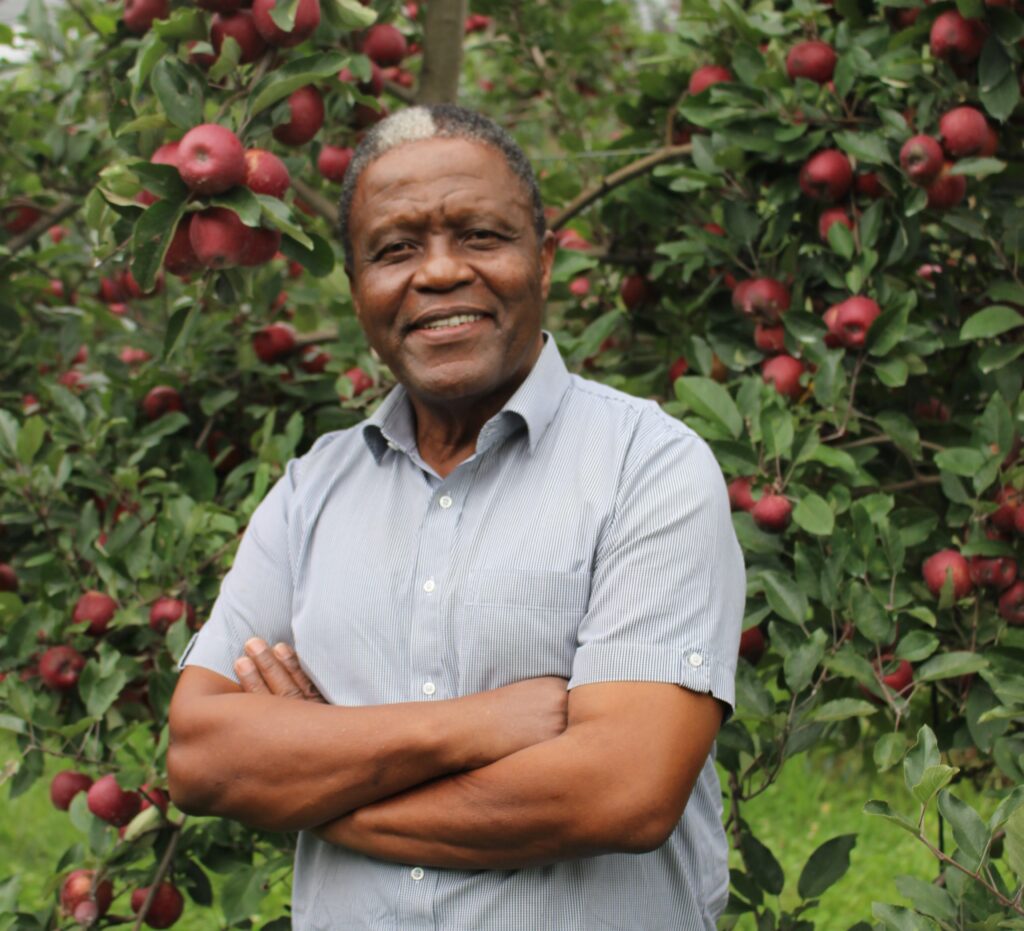
“There was already proof,” Khanyile explains. “Early settlers had planted apple trees near their homes, and they thrived. That told us the climate and soils could work.”
Afrikan Farms, a 100% BBBEE enterprise owned by the Vusi Khanyile Trust, was established in 2000. Years later, that early research translated into trees in the ground.
Today, Afrikan Farms has four hectares of apples under netting, established in phases in 2017 and 2018. While modest in size, the orchard represents something far bigger: a new apple-growing region and a new generation of growers.
The orchard produces Royal Gala, Granny Smith and Sundowner, carefully selected to spread the harvest from January to April. Fruit is currently sold mainly through fresh produce markets.
But Khanyile is candid about the realities. “At this scale, it’s not yet commercially viable. Price volatility and post-harvest costs are high, and the learning curve is steep. But we now have proof that apples can succeed here — if the right support structures are in place.”
Khanyile is well aware that apple farming is highly technical, capital-intensive, and unforgiving of mistakes.
People make the difference
Afrikan Farms’ progress, particularly in apple farming, is driven by a committed team under farm manager Nsika Shabalala. Sbo Mathenjwa, Technical and Apple Production Manager, has embraced the complexity of pome fruit production, attending advanced training in Grabouw and applying that knowledge on the farm.
Operations Manager Nadia Lundall-Coetzer describes the early years as “learning at full speed”. “I used to think apples were just red or green,” she laughs. “Now I’m explaining cultivars, harvest windows and post-harvest protocols to friends.”
Beyond production, the team had to master logistics, packing, compliance and market realities — areas that often surprise first-time growers. “It can feel overwhelming,” says Lundall-Coetzer, “but we believe in aanhouer wen — perseverance wins.”
Currently, Afrikan Farms employs two permanent orchard workers and around 25 seasonal staff. The long-term vision is far more ambitious.
Scaling up with the right partners
Expansion plans aim to increase the orchard’s area from 4 to 19 hectares over a phased period, unlocking economies of scale and long-term sustainability. The goal is to export 80% of production as Class 1 and Class 2 fruit, with the balance processed.
Achieving this requires more than capital. It requires technical expertise, governance, accreditation, and access to blended finance—a combination of grants, loans, and technical support tailored to pre-commercial farms.
That’s where Hortfin and TechnoServe, supported by the UK Government’s Foreign, Commonwealth & Development Office (FCDO), entered the picture.

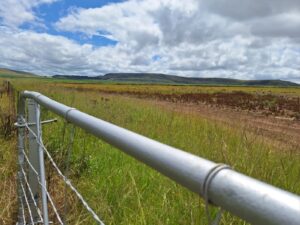
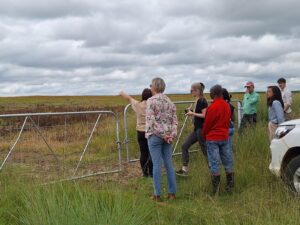
Water for the new orchards and the new site that will be developed into 15 hectares of apples
According to Melanie Machingawuta, Senior Director of Inclusive Investment at TechnoServe, Afrikan Farms reflects exactly the type of enterprise they aim to support. “It is black-owned, includes strong female participation, creates rural jobs and started below commercial scale. With the right support, it can graduate into a fully sustainable business.”
The expansion will also prioritise GlobalG.A.P. accreditation, longer employment periods due to extended harvests, and skills development within the local community.
Khanyile believes the biggest mistake new entrants can make is trying to do it alone. “Tree crops test your patience,” he says. “You don’t walk this road by yourself. You need partners — technical, financial and human.”
His advice to aspiring growers is clear:
- Do your homework
- Start with evidence, not assumptions
- Build the right team
- Secure technical support early
- Think long-term — apples are a marathon, not a sprint
“It has been a long journey,” he reflects. “Planting trees teaches you that success takes time. But when you get it right, the impact goes far beyond the orchard.”
For South Africa’s next generation of apple growers, Afrikan Farms is proof that with planning, partnerships and persistence, new roots can take hold — even in unexpected places.
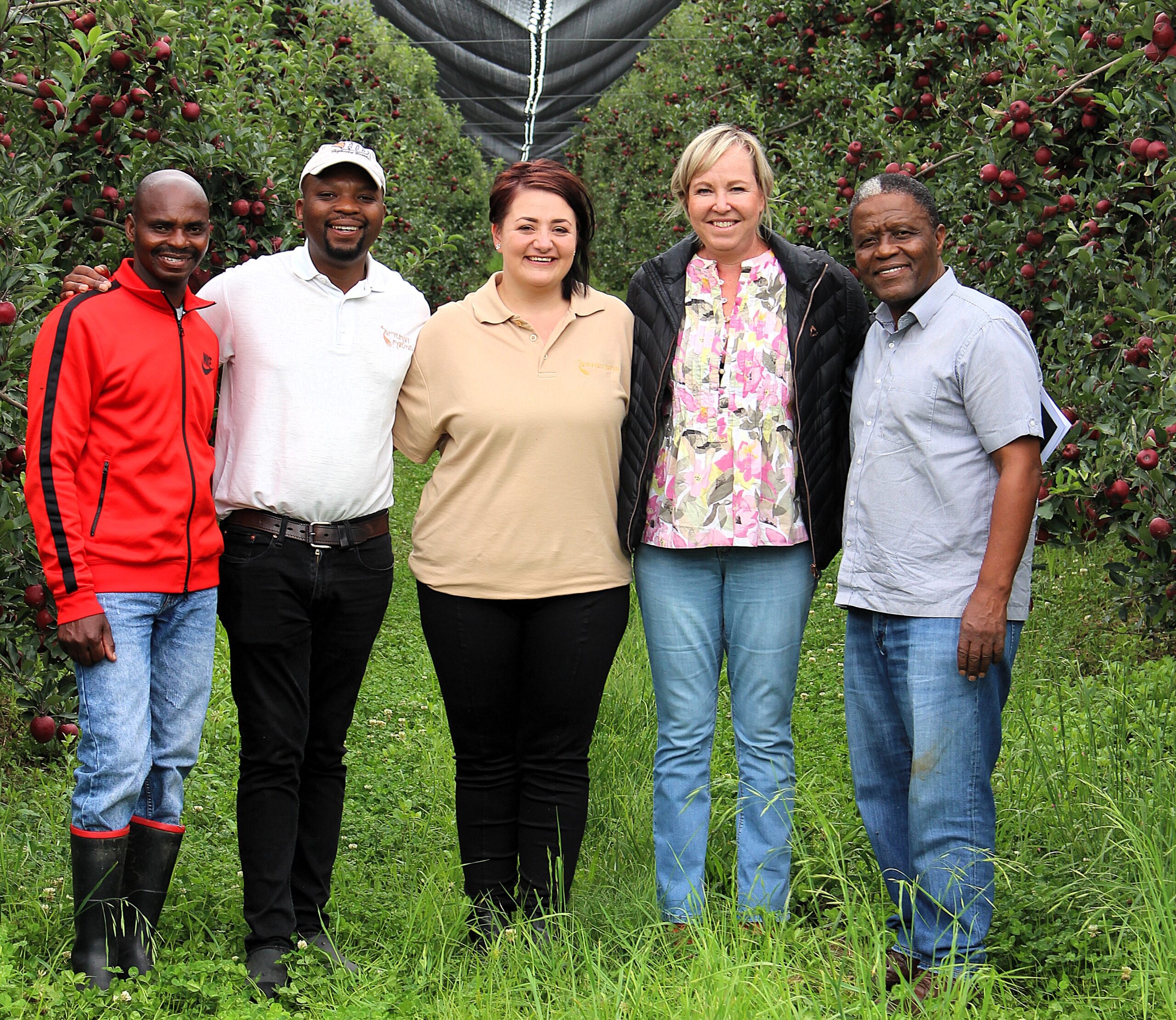
Main picture: Team Afrikan Farms with Hortfin’s Mariette Kotze. From left to right, Sbo Mathenjwa, Nsika Shabalala, Nadia Lundall-Coetzer, Mariette, and Vusi Khanyile.
Related Posts
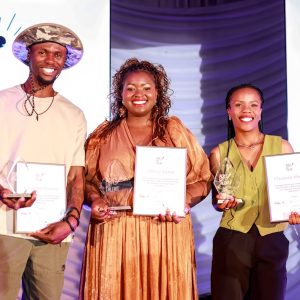
Patensie does it again!
Honey Katoo takes top honours at Agri’s Got Talent 2026 For immediate release: 17 October…
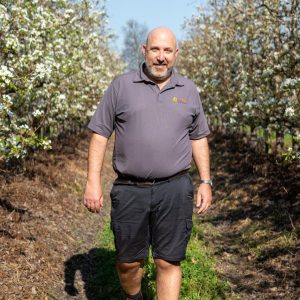
Dennegeur’s Stephan Beukes | Western Cape Farmer of the Year
WESTERN CAPE — Stephan Beukes of Dennegeur Farms in Grabouw has been named the 2026…

Ek was daar | The roadmap of Anton Rabe
For more than three decades, Anton Rabe has been part of the story of South…
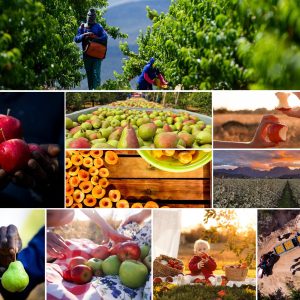
Jaco Wolmarans wins Hortgro Photo Competition 2026
Somerset West – Hortgro is proud to announce Jaco Wolmarans as the winner of the…